Hidden Car Features: What 'Coding' Can Unlock on VW, Audi and BMW
Many German cars ship with features switched off in software. Here is what coding through the OBD port can turn on, and the risks worth knowing first.

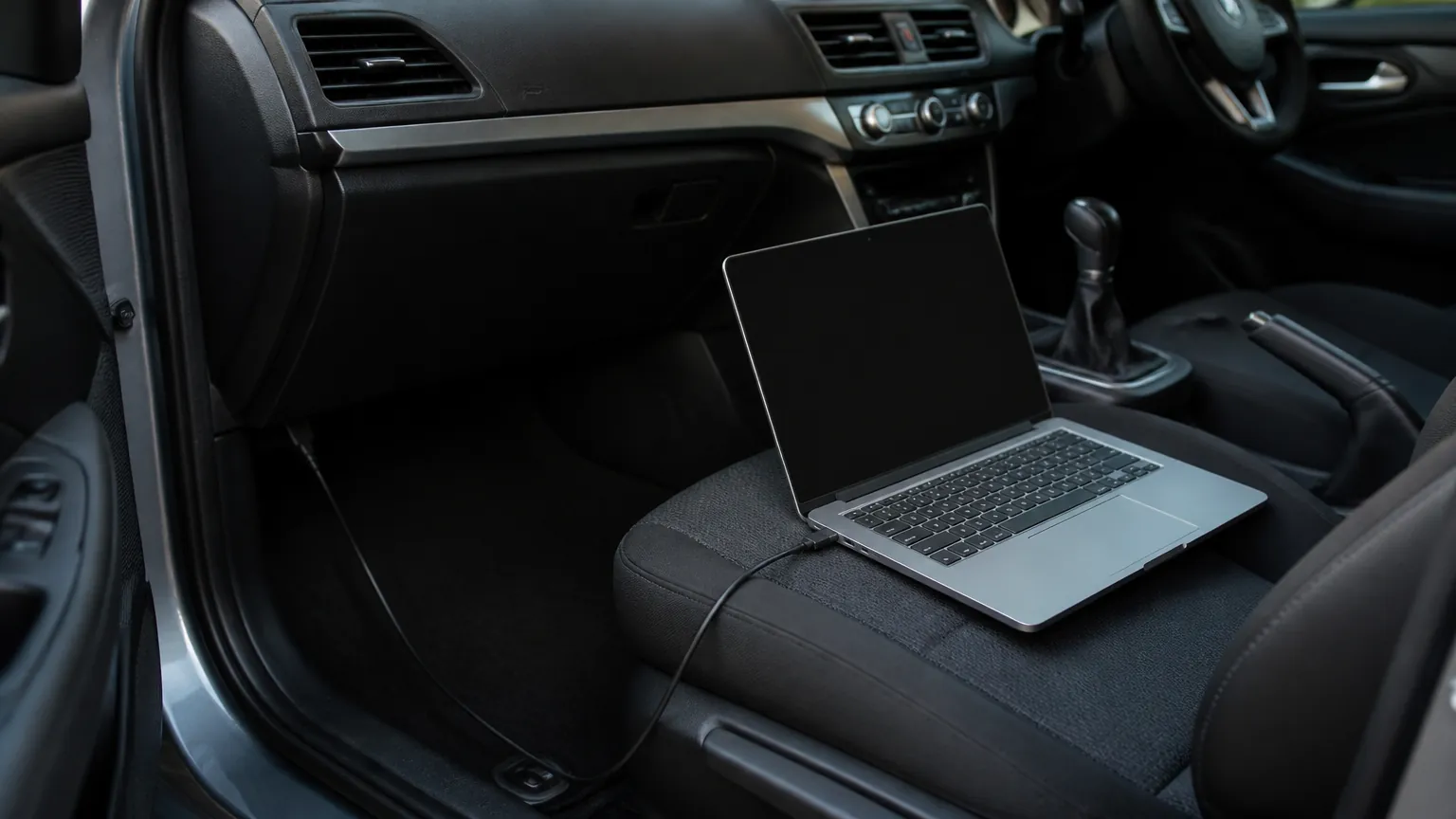
Buy a modern Volkswagen, Audi or BMW and you may be driving around with features your car can do but has been told not to. Carmakers build one set of electronics and sell it across dozens of trim levels, so the cheaper version often has the same hardware as the expensive one, just with certain functions switched off in software. "Coding" is the practice of plugging into the car's diagnostic port and changing those software settings to turn features on, off, or tweak how they behave. It is not the same as a performance tune or "chipping" the engine; most coding changes are small comfort and display tweaks. This guide explains what coding can realistically unlock, what it cannot, and the warranty, insurance and legal questions worth settling before you start.
What coding actually is
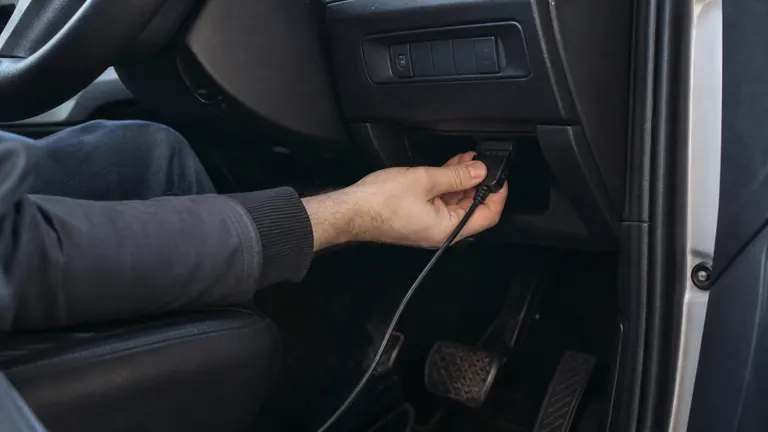
Every car built since the late 1990s has an OBD-II port, usually tucked under the dashboard near the driver's knee. It is the same socket a garage uses to read fault codes. Coding uses that port to talk to the car's control modules and change stored values, sometimes a single number that flips a feature from "off" to "on."
There are two broad things people mean by the word. The first is coding proper: changing the settings that are already written into the car's modules. The second is retrofitting: physically adding hardware (a different camera, a module, extra wiring) and then coding the car to recognize it. This article is mostly about the first kind, because it carries less risk and no soldering. The golden rule for both is the same: a feature can only be enabled if the hardware to support it is physically present.
That last point is where a lot of disappointment comes from. If your car never had the forward-facing camera, no amount of coding will give you traffic sign display. Coding reveals what is dormant; it does not conjure parts out of nothing.
Features people commonly enable
These are the changes most commonly reported by owners of VW Group (Volkswagen, Audi, Škoda, SEAT) and BMW cars. Whether any one of them is available to you depends entirely on your exact model, model year and factory options. Treat the list as "things to check for," not a guarantee.
- Needle sweep on start-up. The dials briefly swing to maximum and back when you start the car. Purely cosmetic, and only relevant on cars with physical analog-style gauges.
- Comfort window closing. Hold the lock button on the key (or touch the door handle sensor) and all the windows, and sometimes the sunroof, close together. Genuinely useful on a hot day.
- Start-stop default memory. The system that cuts the engine at a standstill usually resets to "on" every time you start the car. Some cars can be coded so it remembers your last choice, so it stays off if you prefer.
- Lap timers and extra display pages. On some sportier trims an extra menu of gauges or a lap timer exists in software and can be switched on.
- Traffic sign display. Showing the current speed limit in the instrument cluster, but only where the car already has the camera and navigation data to detect signs.
- Mirror dip in reverse, coming-home lights, gauge staging. Small convenience and lighting tweaks that vary widely by model.
None of these change how the engine runs or how much fuel it burns. They are comfort, lighting and display settings. That is both their appeal and the reason the risks, while real, are usually modest compared with engine tuning.
What coding will not do
It will not add a feature whose hardware is missing, it will not reliably make an old car behave like a new one, and it is not a cure for faults. If your car has a genuine warning light, coding is not the answer. A warning light means stop guessing and get it diagnosed properly, because you could be masking a real problem.
The real risks, in plain terms
Coding is reversible if you do it carefully, but there are four areas where people get caught out.
Back up the original coding first. Before you change anything, record or save the existing values for the module you are editing. Most coding software can store the original. If a change behaves oddly, you want to put the module back exactly as it was. Skipping this step is the single most common way a small job turns into an expensive one.
Warranty conversations. A dealer cannot void your entire warranty over an unrelated change, but they can decline to cover something your coding caused. Coding changes can sometimes be detected, and a dealer software update may silently reset or overwrite them. If your car is under warranty, the cleanest approach is to return it to factory coding before any service visit.
Insurance and disclosure. If a change affects how the car behaves in a way that matters, in the UK especially, insurers expect "modifications" to be declared, and failing to do so can affect a claim. A needle sweep is nobody's business; disabling a safety-related function is a different matter. In the US and Australia the framing varies by insurer and state or territory, but the principle holds: if a change could affect safety or how the car performs, assume you may need to mention it.
Road legality and inspections. Some changes are simply not road-legal. Coding lights to behave differently, altering daytime running lights, or changing anything a roadworthiness test checks can put you on the wrong side of the rules. The UK's MOT, Australia's state-based roadworthy or registration inspections, and US state inspection or emissions checks all vary, but all of them can flag lighting and safety changes. If a tweak touches lights, brakes, airbags or emissions-related systems, assume it may fail an inspection and check before you commit.
Doing it yourself versus paying someone
You can buy a coding interface and software yourself, or pay a specialist who codes cars as a side business or a full service. Here is a realistic comparison of the two routes.
| Factor | DIY coding | Paying a specialist |
|---|---|---|
| Typical outlay | Around $30 to $60 for a basic interface and app; genuine capable kit runs $150 to $400+ | Around $40 to $120 for a session of simple tweaks; more for retrofits |
| Risk level | Higher if you rush or skip backups | Lower, assuming they are experienced with your model |
| Knowledge needed | You must research your exact model and year | They should already know the quirks |
| Who fixes mistakes | You do | They should, so ask first |
| Best for | One or two simple, well-documented changes | Retrofits, uncommon models, or if you are nervous |
Cheap interfaces exist for well under $50, but capability and reliability vary a lot, and a poor connection partway through a write is exactly when things go wrong. If you go the paid route, ask whether they back up your original coding and whether they will reverse a change if you dislike it.
A note on cost and running it
Coding itself costs nothing to run, it is a one-time setting. The interface draws a tiny amount of power only while plugged in. The honest point on cost is that disabling start-stop, often the first thing people turn off, may slightly increase fuel use in town, because the system exists to save fuel at idle. The effect is small and hard to pin down for any one car, so treat any big savings claim with caution.
The short version
- Coding flips software settings through the OBD port; it can only enable features whose hardware is already fitted to your car.
- Common, low-risk tweaks include needle sweep, comfort window closing, and start-stop memory; traffic sign display needs the camera to exist already.
- Always save the original coding first, and return a car to factory settings before a warranty service visit.
- Declare changes that affect safety or performance to your insurer, and check lighting or safety tweaks against UK MOT, Australian roadworthy and US inspection rules.
- A warning light is never a coding job; stop and get it diagnosed by a professional.
Daniel Hart
Editor, Car & Garage · Columbus, Ohio
Daniel edits the Car & Garage section. He writes about the plug-in scanners, dash cams and chargers that help drivers understand their cars and avoid unnecessary repair bills, and he is clear about when a professional mechanic is still the right call.
Keep reading
What Is an OBD2 Scanner, and Do You Actually Need One?
That little socket under your dashboard can tell you why the check engine light is on. Here's what a scanner reads, what it costs, and who really benefits.
Engine Warning Light On? What to Do in the First 10 Minutes
The engine warning light just came on. Here is how to tell a loose fuel cap from a problem that means stopping the car right now.
Buying a Used Car? How a Cheap Scanner Can Help
A plug-in scanner costing around $25 to $50 can reveal hidden faults and recently cleared warning lights before you hand over your money.
Comments
No comments yet. Share your experience or ask a question.